Last updated on פברואר 5th, 2026 at 10:06 pm
Ashdod is one of Israel’s most dynamic and rapidly developing cities. Located along the Mediterranean coastline, it combines urban density, modern infrastructure, historic neighborhoods, and fast-paced residential growth. Over the past few decades, Ashdod has transformed from a modest port town into a bustling metropolitan area featuring high-rise apartment buildings, renovated older homes, luxury residences, and sprawling suburban complexes.
With this evolution comes a significant challenge: how do people move their belongings efficiently, safely, and practically in a city where many homes are located several stories above ground? Traditional moving methods, which rely solely on staircases or elevators, are often insufficient in Ashdod’s architectural landscape. Narrow stairwells, outdated elevators, heavy furniture, and multi-story apartments make home relocation complex and physically demanding.
This is where lifting cranes—also known as external lifting systems or moving cranes—become an essential tool for modern home moves. A lifting crane allows movers to transfer large, heavy, or awkward items directly from the apartment window or balcony to the moving truck below, bypassing internal building obstacles entirely.
In Ashdod, where residential buildings range from older four-story walk-ups to towering modern complexes exceeding 20 floors, lifting cranes have become an integral part of relocation logistics. They are no longer considered a luxury; in many cases, they are a necessity.
This article explores in detail the role of lifting cranes in home moves in Ashdod, their functionality, advantages, safety considerations, environmental impact, urban planning relevance, and how they reshape the experience of moving in a coastal, high-density city.
Ashdod’s Urban Landscape and Its Impact on Moving
To fully understand why lifting cranes are so widely used in Ashdod, it is important to examine the city’s urban structure.
Ashdod consists of several distinct residential zones:
1. Older Neighborhoods
Many parts of Ashdod were built decades ago, featuring low to mid-rise apartment buildings with limited elevator access. Some buildings have no elevator at all, while others have small elevators that cannot accommodate large furniture such as sofas, wardrobes, pianos, or appliances.
These conditions make internal transport extremely difficult. Carrying items down tight staircases increases the risk of damage to furniture, walls, and floors, as well as physical injury to movers.
2. Modern High-Rise Districts
In newer areas of Ashdod, especially near the coast, residential towers dominate the skyline. Apartments are often located on 10th, 15th, or even 25th floors.
Even with elevators, transporting large items internally can be problematic due to limited cabin space, building regulations, or time restrictions imposed by building management.
A lifting crane provides a direct vertical transport solution, significantly reducing complexity.
3. Mixed-Use Developments
Many buildings in Ashdod integrate residential units with commercial spaces, offices, or retail stores on lower floors. This creates additional logistical challenges, such as restricted access roads, pedestrian traffic, and limited parking for moving trucks.
A crane-based move allows movers to work efficiently within confined urban environments.
What Is a Lifting Crane in Home Moving?
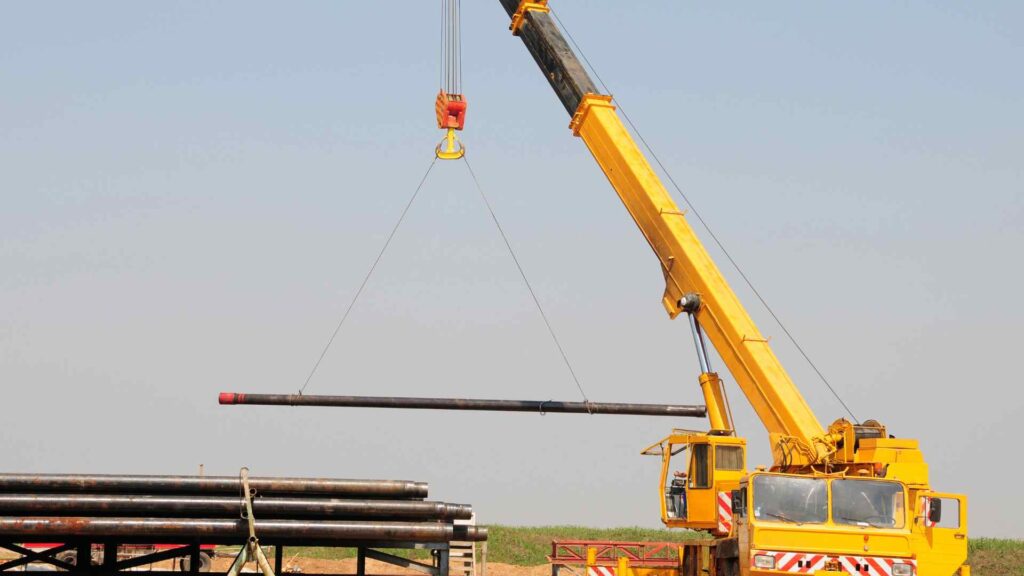
A lifting crane for home relocation is a mobile hydraulic or mechanical system mounted on a truck or specialized vehicle. It is designed to lift and lower items vertically from higher floors directly to the ground.
The system typically includes:
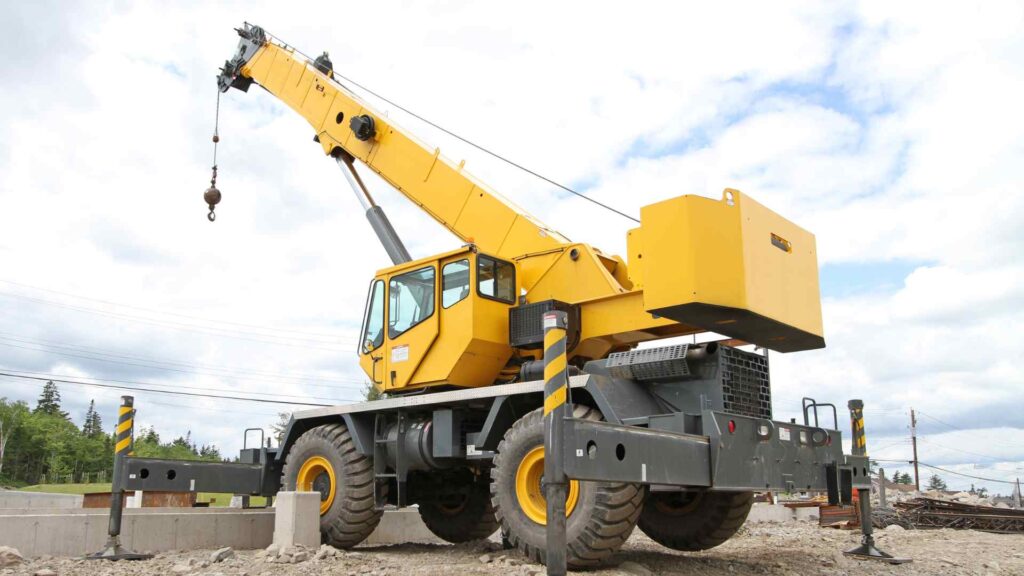
- A telescopic boom that extends upward to reach multiple stories
- A secure platform or harness system to hold furniture
- Stabilizing legs to ensure balance and safety
- Remote or operator control for precision movement
Unlike industrial construction cranes, moving cranes are specifically designed for residential use. They are compact enough to fit in city streets yet powerful enough to lift heavy household items safely.
Why Lifting Cranes Are Essential for Ashdod Residents
1. Protecting Furniture and Property
One of the greatest advantages of using a lifting crane is damage prevention. When furniture is carried through staircases, hallways, or elevators, it can scrape walls, chip paint, or suffer structural damage.
With a crane, items are lifted straight out through a window or balcony, minimizing physical contact with the building interior.
2. Reducing Physical Strain
Moving is physically exhausting. Lifting heavy furniture manually up or down multiple flights of stairs increases the risk of injury.
A crane significantly reduces manual labor, making the process safer for both professional movers and residents.
3. Speed and Efficiency
Traditional moves can take many hours or even days. A crane allows for faster loading and unloading, particularly in high-rise buildings.
This efficiency is especially valuable in Ashdod, where time constraints—such as building management rules or street parking limitations—can affect moving schedules.
4. Accessibility in Challenging Locations
Some apartments in Ashdod are located in areas with narrow streets, steep slopes, or limited vehicle access. A crane allows movers to operate from a single strategic position without needing to maneuver bulky items through complicated pathways.
Types of Lifting Cranes Used in Home Moves
There are several variations of moving cranes used in residential relocations, each suited to different building types and logistical needs.
Telescopic Boom Cranes
These cranes are extendable and can reach great heights, making them ideal for high-rise apartments. They are stable, precise, and widely used in Ashdod’s modern districts.
Compact City Cranes
Designed specifically for tight urban environments, these cranes are smaller in size but still capable of lifting heavy loads. They are commonly used in older neighborhoods with narrow streets.
Platform-Based Systems
Some cranes use a secure platform instead of harnesses, allowing multiple items to be placed together. This is particularly useful for fragile or awkwardly shaped furniture.
Planning a Crane-Assisted Move in Ashdod
A successful crane-assisted move requires careful planning. Several factors must be considered before deployment.
Building Height and Structure
The crane’s reach must be sufficient to access the specific apartment floor. In very tall buildings, additional logistical arrangements may be necessary.
Street Access and Positioning
The crane truck needs enough space to park and stabilize. In some cases, temporary street access arrangements may be required.
Window or Balcony Accessibility
The apartment must have a suitable exit point for furniture. Balconies are typically ideal, but large windows can also be used.
Weather Conditions
Ashdod’s coastal climate means that wind can sometimes impact crane operations. Safety protocols must account for weather conditions to prevent risks.
Safety Considerations
Safety is the top priority when using lifting cranes in residential moves.
Stabilization and Balance
The crane must be properly anchored with stabilizing legs to prevent tipping.
Load Limits
Each crane has a maximum weight capacity that must not be exceeded.
Professional Operation
Only trained operators should handle crane equipment to ensure precise control and avoid accidents.
Building Protection
Protective padding is often placed around windows and balconies to prevent damage during lifting.
Environmental and Urban Impact
Lifting cranes contribute to more sustainable moving practices in urban environments like Ashdod.
Reduced Carbon Footprint
Faster moves mean fewer truck trips and less fuel consumption.
Less Noise Pollution
Compared to prolonged stairway moves, crane-assisted relocations are typically quicker and quieter.
Preservation of Buildings
By minimizing internal transport damage, cranes help preserve the condition of residential buildings over time.
Table: Comparison of Moving Methods in Ashdod
| Feature | Traditional Stair Move | Elevator Move | Crane-Assisted Move |
| Speed | Slow | Moderate | Fast |
| Risk of Furniture Damage | High | Medium | Low |
| Physical Effort | Very High | High | Low |
| Suitable for High Floors | No | Sometimes | Yes |
| Impact on Building | High | Moderate | Minimal |
| Weather Sensitivity | Low | Low | Moderate |
Conclusion
A lifting crane for home moves in Ashdod is not just a convenience—it is a practical solution tailored to the city’s architectural reality. From protecting furniture to saving time, reducing physical strain, and adapting to urban density, cranes have become an indispensable part of modern relocation.
For residents of Ashdod, choosing a crane-assisted move means embracing a smarter, safer, and more efficient way to transition between homes in a rapidly evolving coastal metropolis.
If you would like, I can:
- shorten this article
- adapt it for a website
- optimize it for SEO
- add more sections
- make it more academic
- or rewrite it in a different tone (formal, marketing, technical, etc.)