Last updated on ינואר 5th, 2026 at 06:44 pm
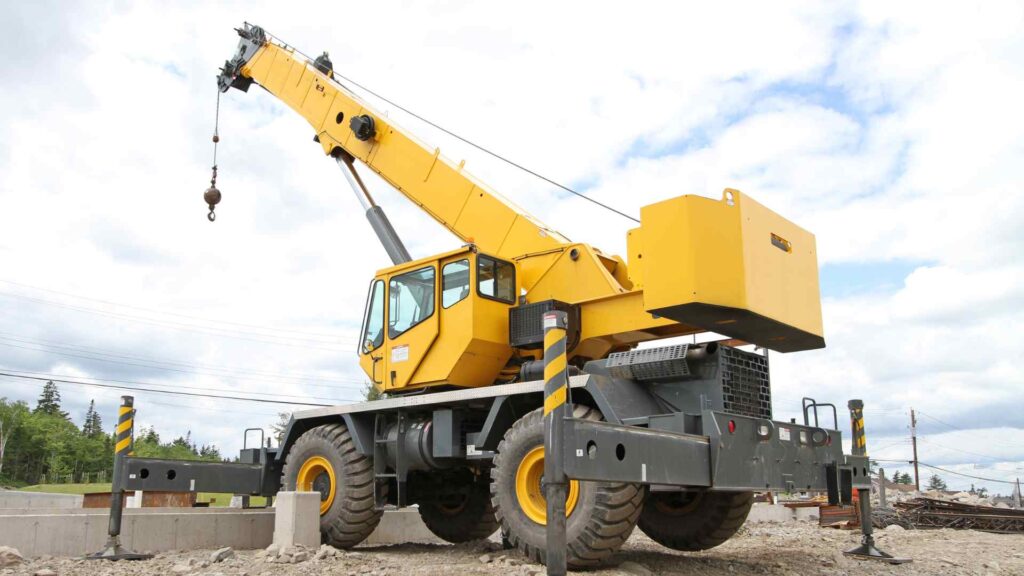
In 2026, Southern Israel stands at the center of one of the most significant development waves in the country’s history. Rapid urban expansion, industrial growth, large-scale infrastructure projects, and the rise of renewable energy have all contributed to an unprecedented demand for lifting crane services. From residential towers in Be’er Sheva to logistics hubs in Kiryat Gat and solar farms across Negev, cranes have become an essential part of the region’s physical and economic transformation.
The role of lifting cranes in modern development
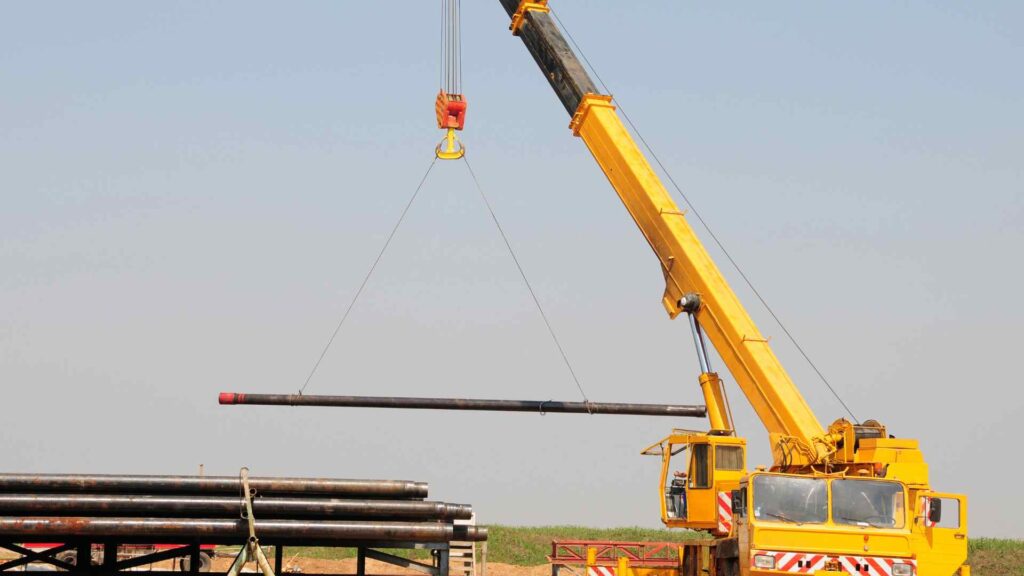
Lifting cranes are no longer seen merely as mechanical tools. They are an integral component of planning, construction, logistics, and maintenance processes. They enable the precise and safe movement of heavy, oversized, or delicate loads into locations that would otherwise be inaccessible or unsafe using traditional transportation methods.
Typical applications include:
- Installation of HVAC systems on high-rise buildings.
- Lifting prefabricated construction elements.
- Positioning glass panels and curtain walls.
- Transporting industrial machinery into factories.
- Deploying containers, generators, and transformers.
- Installing solar panels and energy storage units.
Regional growth drivers
Several major forces are shaping the demand for crane services in Southern Israel:
Urbanization: The expansion of cities such as Be’er Sheva, Ashkelon, and Netivot has created new residential districts and commercial centers that require continuous construction and maintenance.
Industrial expansion: The relocation and growth of industrial zones in the south has increased the need for heavy lifting of machinery, production lines, and infrastructure components.
Logistics and transportation: New logistics parks, distribution centers, and transportation hubs rely heavily on cranes for installing shelving systems, conveyors, and heavy storage units.
Renewable energy: Southern Israel is a leader in solar energy projects, with large-scale farms and rooftop installations requiring frequent crane operations.
Types of crane services
Crane operations in the region typically fall into three categories:
Short lifts: Quick operations lasting up to 15 minutes, usually for a single item such as a large appliance, HVAC unit, or container.
Hourly operations: Used on construction sites or for complex installations involving multiple lifts and precise positioning.
High-rise and long-reach lifts: Required for buildings above 10 floors or when horizontal reach is needed due to obstacles or restricted access.
Technology and innovation
By 2026, most modern crane fleets in Israel incorporate advanced technologies:
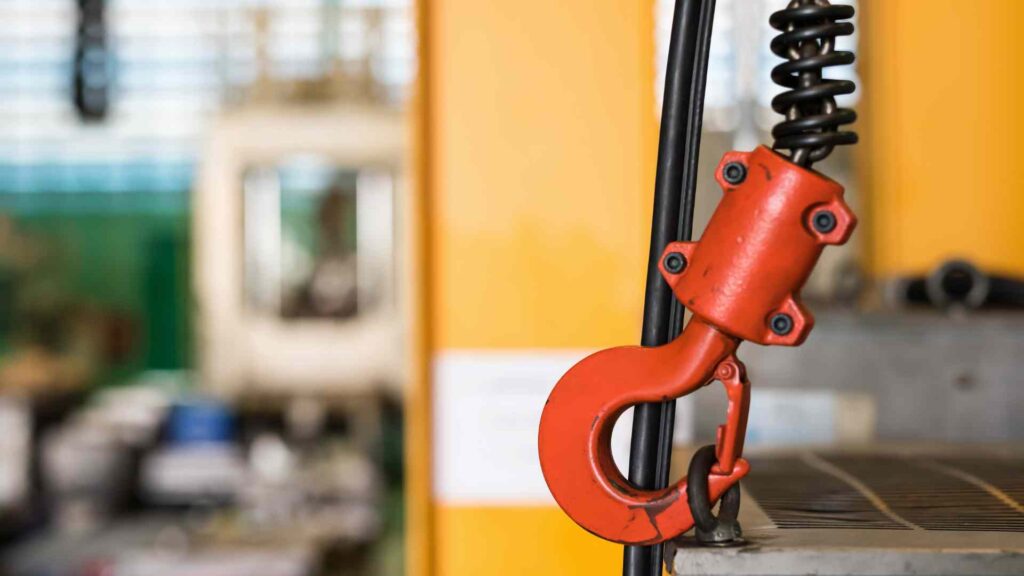
- Load sensors and automatic overload protection systems.
-

Southern Israel Top Lifting Crane Services Digital control panels with real-time monitoring.
- GPS-based positioning and fleet management.
- Predictive maintenance systems to reduce downtime.
These innovations improve safety, efficiency, and environmental performance while reducing the risk of accidents and mechanical failure.
Safety and regulation
Safety regulations in Israel have become stricter, requiring certified operators, routine equipment inspections, and detailed documentation for each operation. While this increases operational costs, it significantly reduces the likelihood of accidents and improves industry standards.
Market challenges
Despite strong growth, the crane services sector faces several challenges:
- Rising fuel and maintenance costs.
- Shortage of skilled operators and technicians.
- Increasing regulatory and insurance burdens.
- Seasonal fluctuations in demand.
Economic and social impact
Crane services enable faster project completion, reduce manual labor risks, and support the overall productivity of the construction and logistics sectors. This contributes directly to economic growth, job creation, and improved infrastructure quality across Southern Israel.
Outlook for the coming years
The outlook for crane services in Southern Israel remains highly positive. Continued government investment in housing, transportation, and energy, combined with private sector development, is expected to sustain demand well beyond 2026. At the same time, ongoing technological innovation will further enhance safety, efficiency, and environmental sustainability.
Conclusion
In summary, lifting crane services in Southern Israel in 2026 are a cornerstone of regional development. They support everything from residential construction and industrial growth to renewable energy and logistics infrastructure. As the region continues to evolve, crane services will remain a critical enabler of its economic and physical transformation.